What does the law say?
AI in recruitment isn’t banned, but the way you use it has to comply with regulations – mainly GDPR and the new EU AI Act, which governs the use of algorithms in critical areas such as hiring.
GDPR – consent for profiling
Under GDPR, if recruitment involves profiling (automatic analysis of a candidate’s data to assess suitability for a role) and the process is fully automated (the system makes a decision that affects the candidate’s situation, e.g. rejects them automatically), recruiters must:
- inform the candidate (Article 13(1)(f) GDPR) that their data will be processed automatically,
- obtain explicit consent for profiling (Article 22(2)(c)).
Recruiters using ATS systems that automatically recommend or reject candidates (for example, based on a wrong answer in a questionnaire) should include clear information about this automation in their job ads. They are also required to obtain the candidate’s consent for profiling. Skipping this step is a GDPR violation – and not just a formality, but something actively enforced by supervisory authorities.
Here’s an example of what such consent might look like in an application form:
I consent to the processing of my personal data for the purpose of recruitment processes conducted by X. I also consent to my data being processed in an automated manner, including profiling.
Does Hero Parser require candidate consent for profiling?
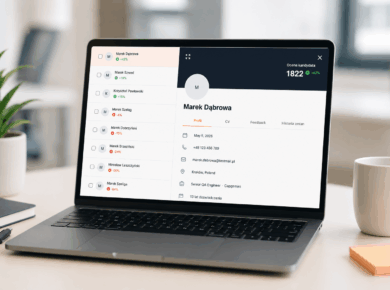
No. Hero Parser doesn’t reject candidates, nor does it recommend rejecting or hiring anyone. It evaluates how well a CV matches a role and ranks candidates based on skills and experience. The recruiter decides who to invite to the next stage and who to hire.
When data is processed automatically by a system that only supports the recruiter’s work and does not produce significant consequences, GDPR does not impose additional obligations on the data controller. In such cases, general rules apply.
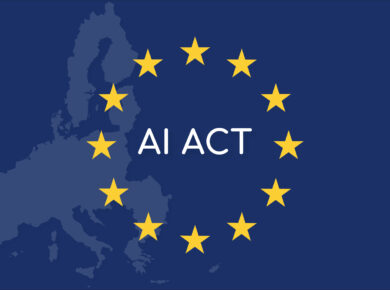
AI Act – recruitment as high-risk use
Under the AI Act, AI systems used for recruitment, candidate selection or employee evaluation are classified as high-risk. This means extra legal obligations for companies using them.
Is Hero Parser compliant with the AI Act?
Yes. We’ve written a separate article on this.
How to do it right?
Use AI as support, not a decision-maker
AI can help you evaluate CVs and rank candidates. But the final say should always rest with a human. It’s not just safer legally – it’s also fairer.
Be transparent with candidates
If you’re using AI in your process, say it clearly in the job ad or application form. Candidates should know their data will be analyzed automatically.
Collect informed consent
Consent for profiling must be voluntary, specific and clear. Without it, you’re at risk.
Choose compliant tools
Hero Parser is fully aligned with GDPR and the AI Act:
- It doesn’t make decisions – it only evaluates data.
- It doesn’t analyze sensitive data.
- It works transparently – every assessment can be explained and verified.
AI in recruitment? Yes, but wisely.
Using AI in recruitment is completely legal – as long as you comply with regulations and use common sense. This isn’t technology reserved for Silicon Valley giants – it’s a tool that can genuinely improve your hiring processes, provided you use it transparently, responsibly and with human oversight. That’s exactly how Hero Parser works: it supports recruiters, but never replaces them. It shows you the data, but doesn’t make decisions. It automates, but never at the cost of ethics. That way your recruitment stays fast – and compliant.